Juniper
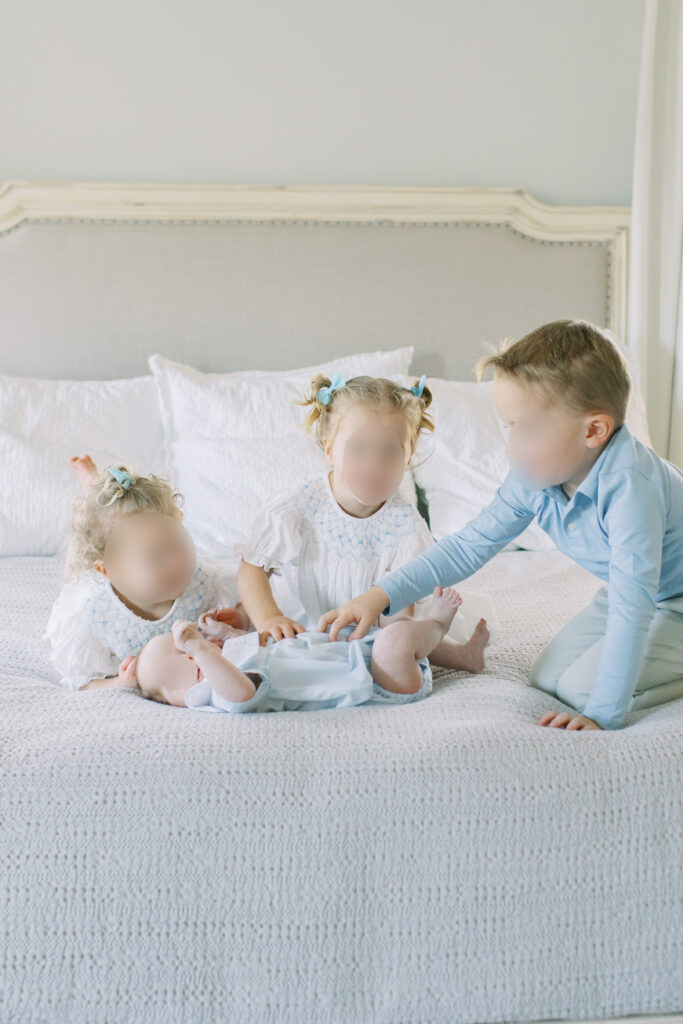
Why I am going faceless as a Winston Salem Photographer
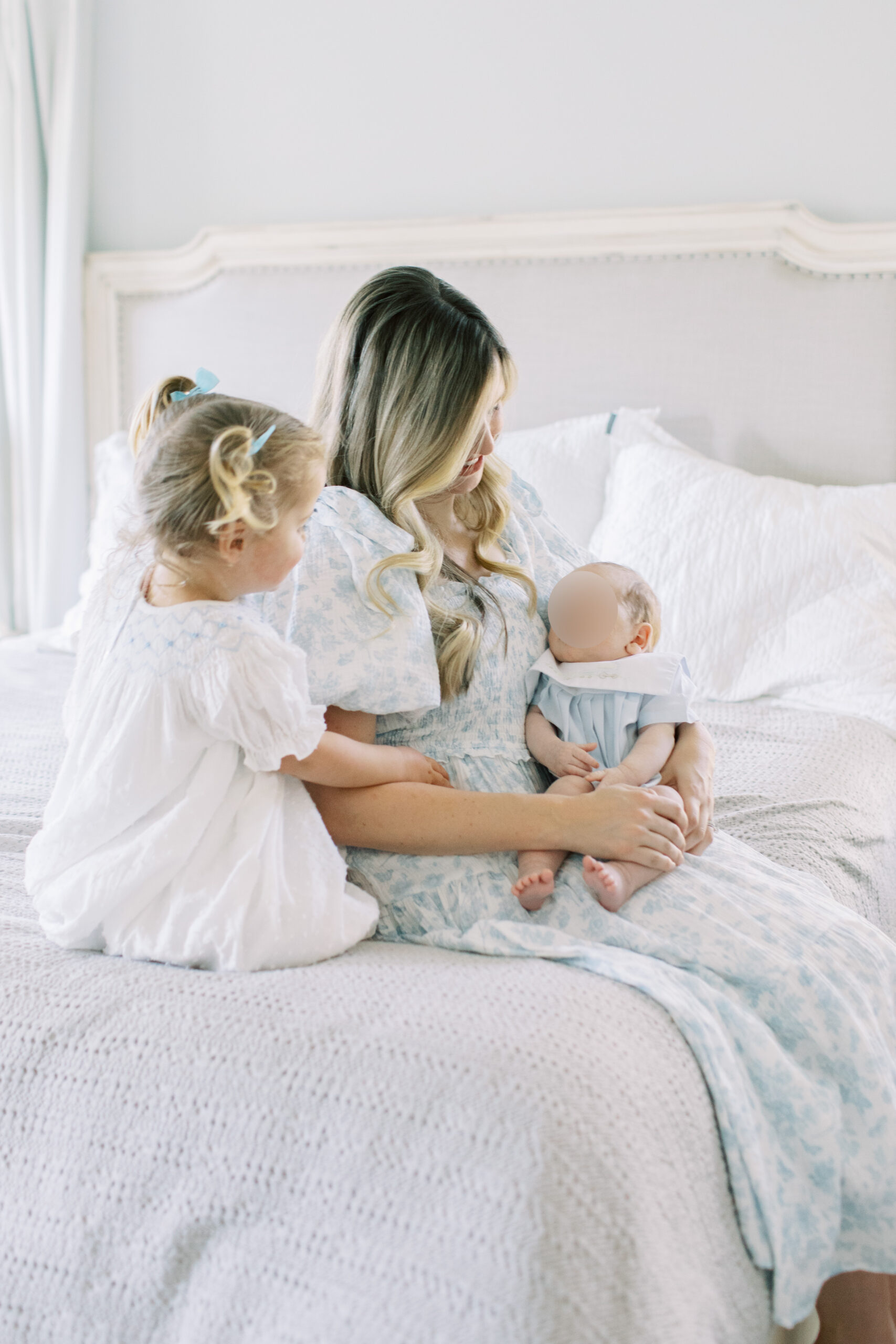
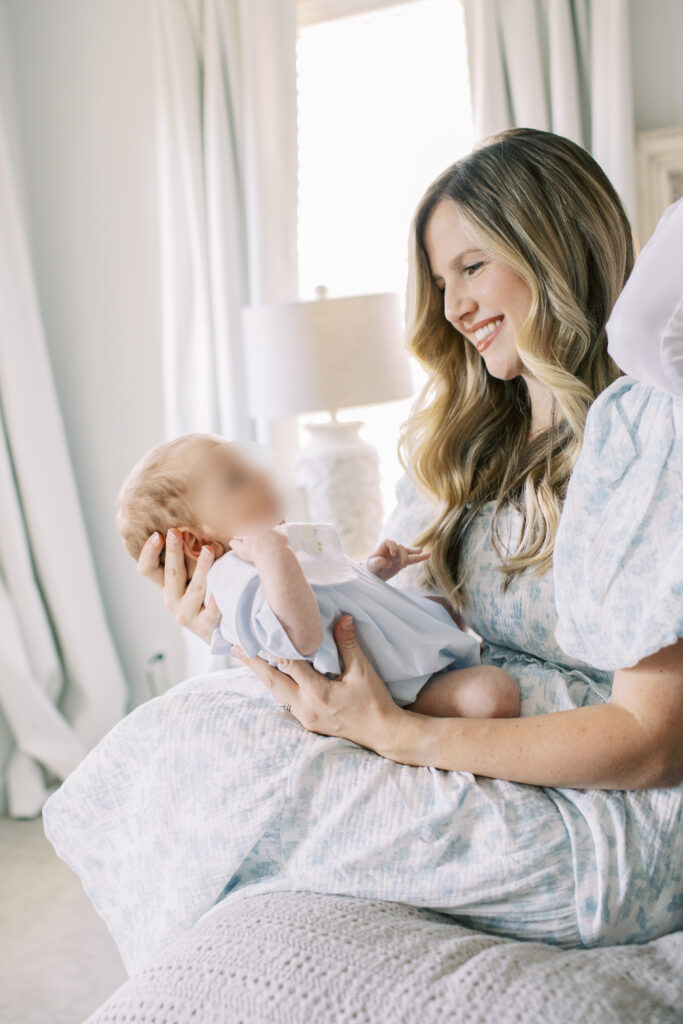
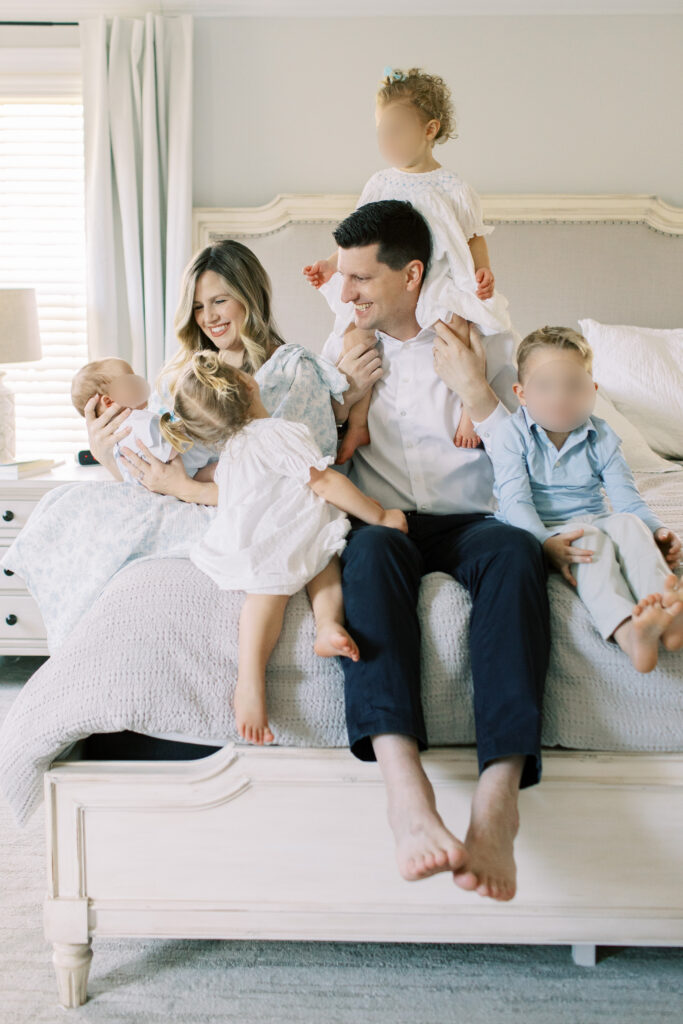
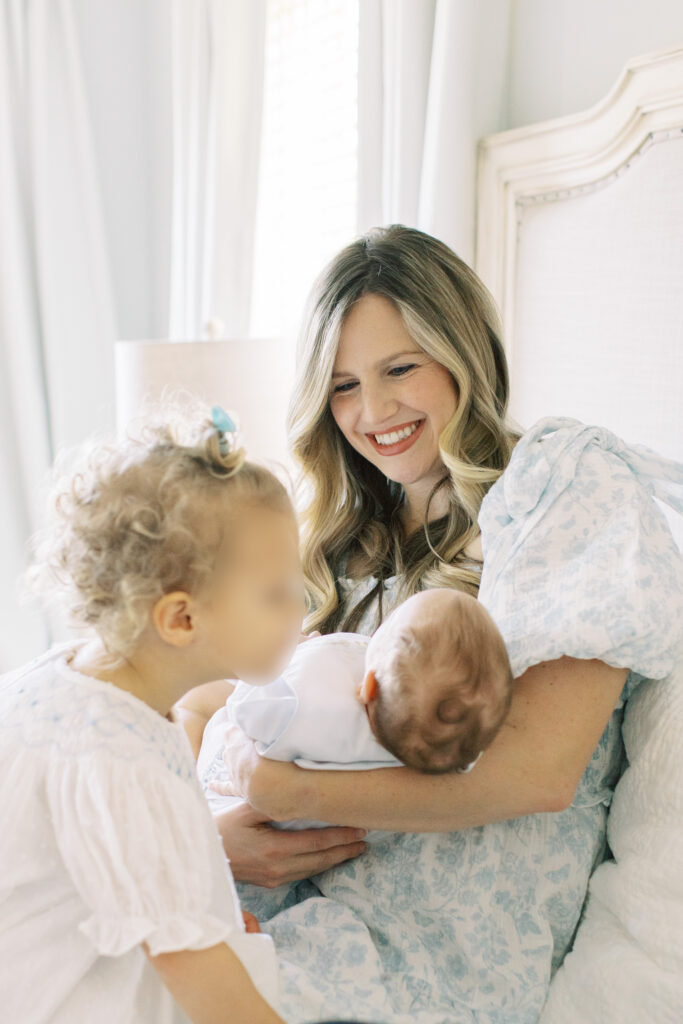
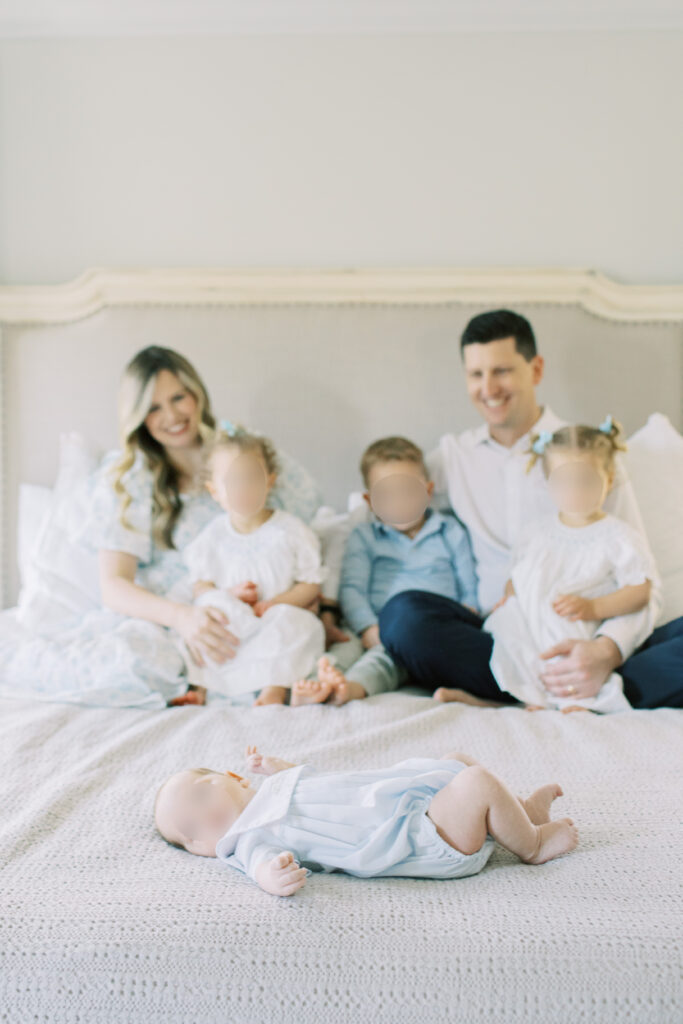
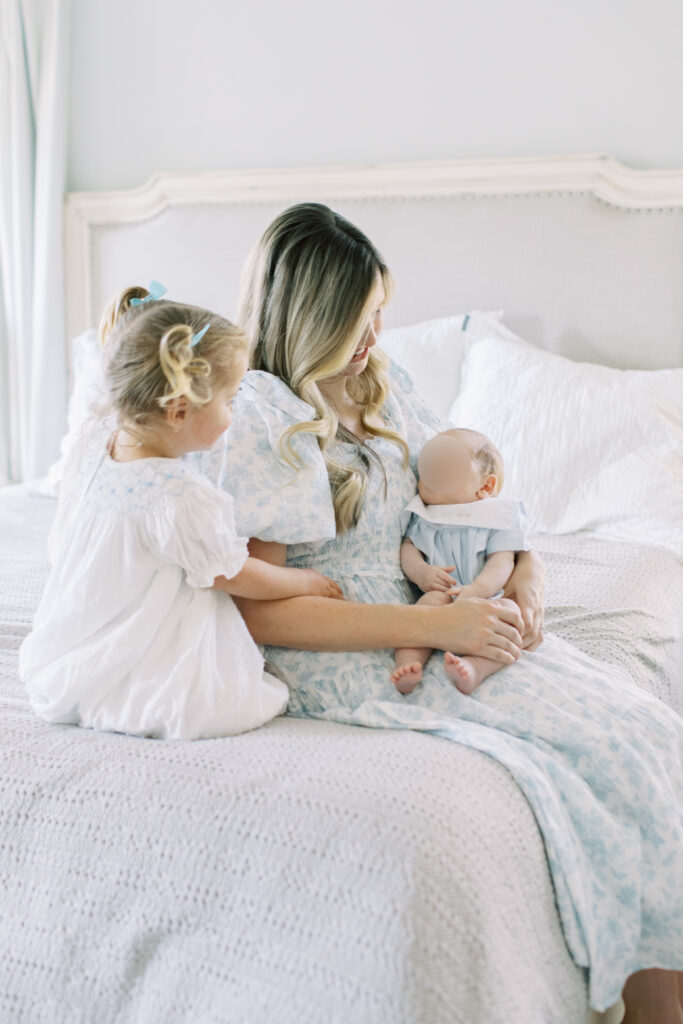
I’m going faceless as a photographer in Winston Salem, NC.
Not invisible. Not disconnected. Just intentional.
For a long time, photography, especially in the age of social media, has come with an unspoken expectation: show more. Share more. Be more visible. Let people into your life so they feel connected to you. And I understand that. Emotion builds trust. Personality builds brand.
Going faceless may, in some ways, “hurt” my business. When you can see someone’s smile, their family, their everyday life, it’s easier to feel attached. It’s easier to engage. It’s easier to buy.
But I believe something more important is at stake.
We Have an Obligation to Protect Children
Children deserve a childhood that isn’t curated for content.
Their scraped knees, sleepy faces, bath-time giggles, first-day-of-school tears… those moments are sacred. They are not marketing material. They are not engagement tools. They are not assets in a content strategy.
Childhood is fleeting. The internet is forever.
As photographers, we understand the power of permanence. A photo can outlive us. It can resurface decades later. It can be saved, screenshot, downloaded, altered, and redistributed without context or consent.
A child cannot meaningfully consent to having their image shared with thousands of strangers. They cannot grasp the permanence of a digital footprint. They cannot foresee how an image may be used in five, ten, or twenty years.
But we can.
And because we can, we carry that responsibility.
Photos Are Permanent. Content Is Downloadable.
In the film days, photographs lived in albums and frames. They were tangible. Physical. Limited.
Now, every image placed online can be:
- Saved in seconds
- Screen-recorded
- Archived
- Reposted
- Removed from its original context
We don’t own what we post once it enters the digital ecosystem. We can delete it from our feed, but we cannot erase it from the internet.
That reality changes the weight of every upload.
AI Has Changed the Landscape
We are also living in a time where AI can manipulate images in ways that were once unthinkable. Faces can be altered. Expressions changed. Context fabricated. Images repurposed.
A simple portrait can become something else entirely in the wrong hands.
That alone has reshaped how I think about sharing, especially when it comes to children.
This Isn’t About Fear. It’s About Boundaries.
But I’m drawing a line between what is meaningful to capture and what is ethical to broadcast. You just may not see my personal life, or children’s faces, as part of that exchange.
And yes, I know this might make connection feel different.
We’ve been conditioned to equate visibility with authenticity. But I believe authenticity can exist without exposure. Privacy does not equal secrecy. Boundaries do not equal distance.
In fact, boundaries can build deeper trust.
Connection Without Exposure
If anything, I hope this shift invites a different kind of connection.
One built on:
- Respect
- Intention
- Craft
- Shared values
I don’t want you to connect to me because you know what my child looks like.
I want you to connect to me because you believe in the way I see the world.
Because you value storytelling that protects its subjects.
Because you trust someone who prioritizes ethics over algorithms.
Because you believe children deserve to grow up without their childhood archived for strangers.
And I want to normalize privacy.
I want to normalize protecting children.
I want to normalize choosing long-term safety over short-term engagement.
If that costs me a little reach, so be it.
If it filters my audience to those who understand, that’s okay too.
Thank you for being here.
Thank you for trusting me.
And thank you for understanding that sometimes the most loving thing we can do…
…is not share.






Leave a Reply
Get In Touch
I'd love to capture your precious family. Click below to get in touch to schedule your free complementary consultation.